Telehealth vs In-Person Consultations: When Each Works Best
Telehealth isn't a replacement for in-person care — it's an additional tool. Here's a practical framework for deciding which consultation type fits which situation.
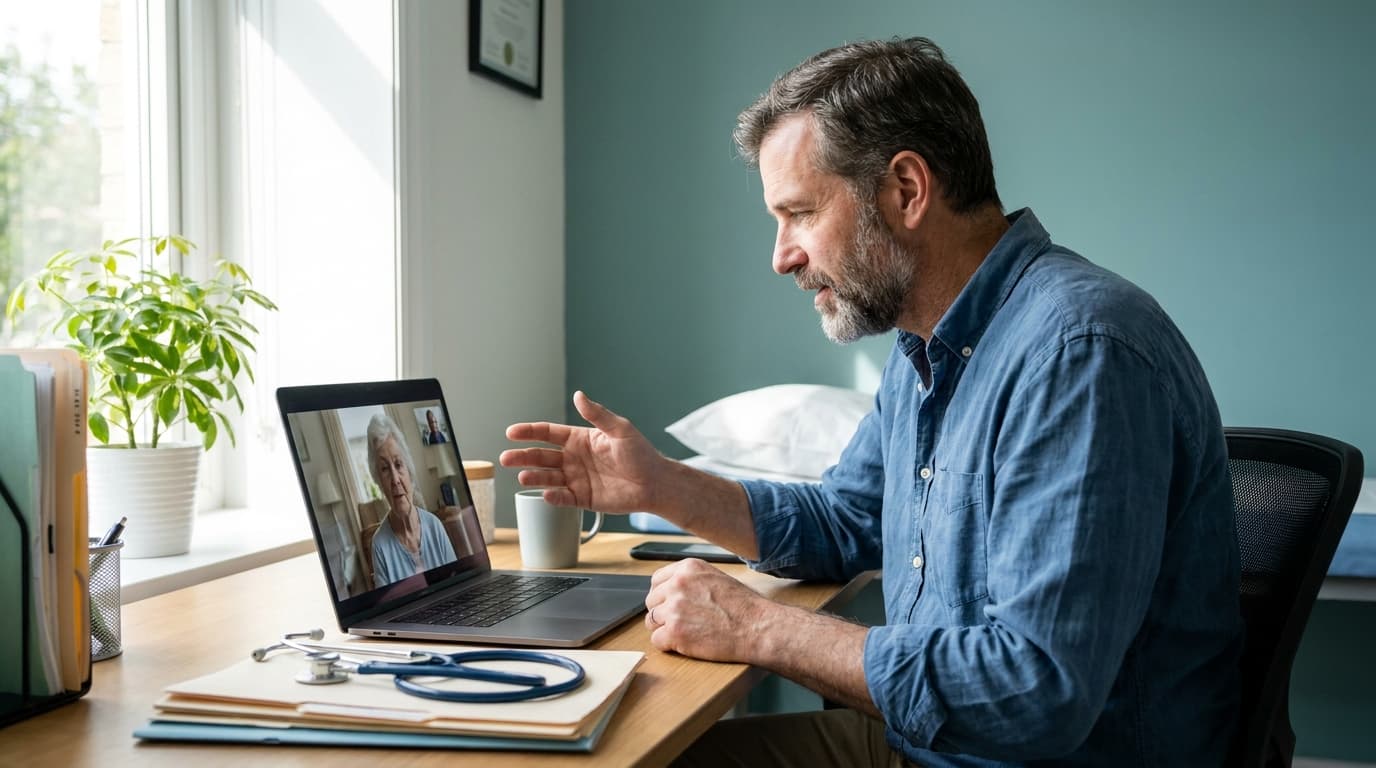
The pandemic forced telehealth into the mainstream almost overnight, and the years since have settled a question that used to be argued in absolutes: telehealth isn't a replacement for the clinic visit, and the clinic visit isn't obsolete because telehealth exists. They're two tools for different jobs, and a modern practice uses both deliberately rather than defaulting to one out of habit.
Here's a practical framework for knowing which is which.
What telehealth is genuinely good at
Follow-ups where the exam adds little. A patient stable on blood pressure medication reviewing their readings, or a post-op check where the question is "how are you feeling" rather than "let me examine the incision" — these are efficient by video, for doctor and patient alike.
Medication and treatment plan reviews. Adjusting a dosage, discussing lab results already in hand, or answering questions about a prescribed course rarely need a physical exam.
Triage and first-contact assessment. A quick video call can establish whether a symptom needs an in-person visit today, can wait for a scheduled appointment, or is a false alarm — saving the patient a trip and the clinic a slot for cases that don't need one.
Mental health and counseling-style consultations. Much of this work is conversational, and many patients are more comfortable, and more consistent with attendance, from home.
Access for patients who face real barriers to visiting. Distance, mobility limitations, or conflicting work hours turn "book a follow-up" from a formality into an actual obstacle. Telehealth removes it.
What still requires the exam room
Anything requiring physical examination. Auscultation, palpation, visual inspection of a wound, a rash that needs to be seen in good light and at close range — no camera replaces trained hands and a trained eye at the point of contact.
Diagnostic tests and procedures. Blood draws, imaging, vaccinations, minor procedures — the clinic is where the equipment is.
First-time complex presentations. A new patient with a complicated or ambiguous history benefits from the fuller information an in-person visit captures — nothing about how they move, how they answer follow-up questions in real time, or incidental findings that only a physical visit surfaces.
Anything urgent or ambiguous. When in doubt about severity, in-person wins; a missed finding on video is a risk telehealth should never be asked to absorb.
A simple decision rule for your practice
Before defaulting a visit type to either mode, ask three questions:
- Does this visit require touching, looking closely, or testing the patient? If yes, in-person.
- Is this a new or ambiguous problem, or a known, stable one? New and ambiguous leans in-person; known and stable is telehealth-friendly.
- Would a delay to get an in-person slot cause harm? If yes, don't wait for a slot — see them, virtually first if needed, in person if the virtual visit raises concern.
Encode this as a simple triage habit for your front desk or booking flow, and most of the classification happens before it reaches your calendar.
The workflow reality: telehealth must fit inside your normal system
The clinics that struggle with telehealth usually made one setup mistake: they bolted on a separate video app, disconnected from the patient's actual record. The doctor ends up toggling between the video call and the file, the visit isn't logged the same way as an in-person one, and follow-up reminders don't fire because the system doesn't know the visit happened.
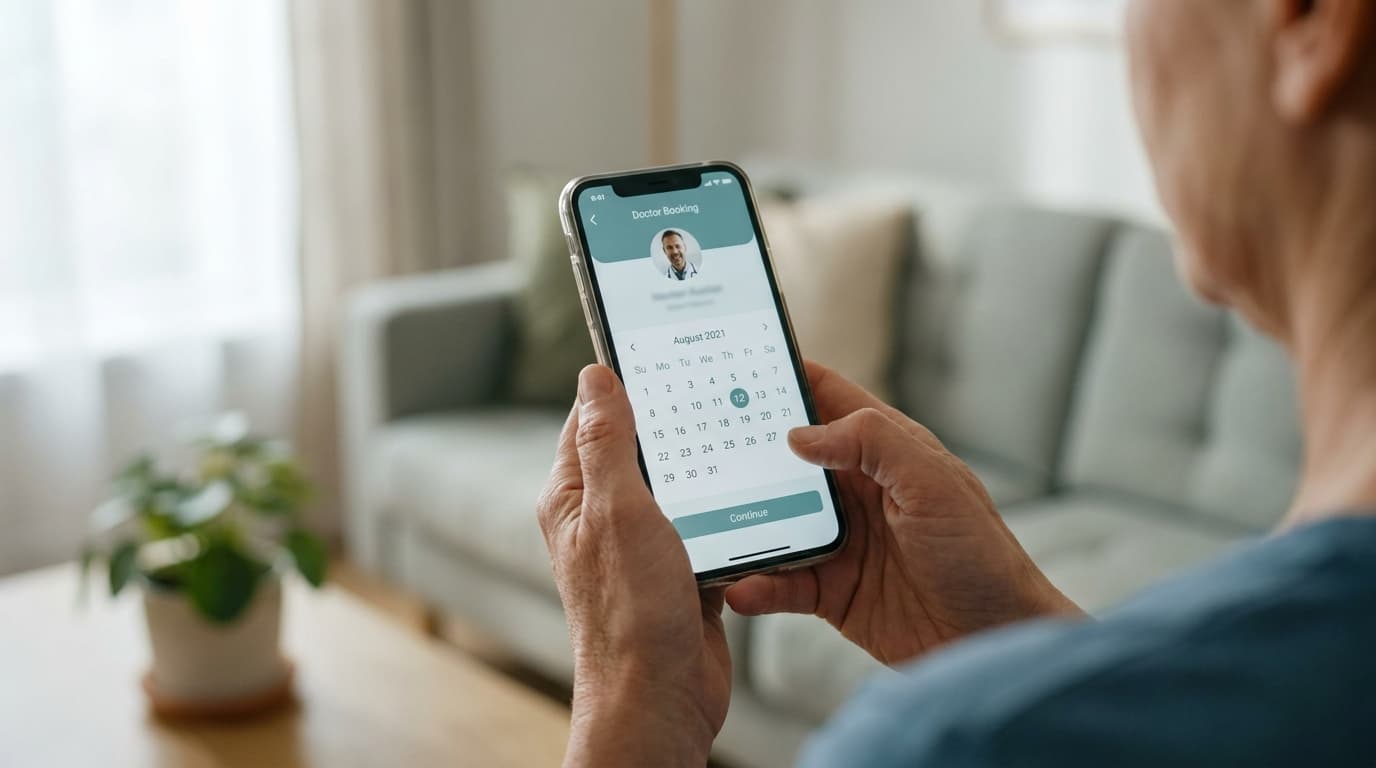
Telehealth works best when it's just another appointment type inside the same system you already run — same patient record, same prescription tool, same reminder engine. The patient books a "video consultation" slot the same way they'd book an in-person one; the doctor opens the same patient chart either way; the visit note and any prescription land in the same continuous record.
Where Clinikly fits
Clinikly treats telehealth as a native appointment type rather than a separate tool: patients can book a video consultation directly from your online profile, the doctor consults with the same patient history and prescription tools open, and the visit becomes part of one continuous record — indistinguishable from an in-person visit except in how it happened. No second app, no disconnected calendar, no manual note afterward to keep the record in sync.
Used this way, telehealth doesn't compete with your in-person practice. It extends it — handling the follow-ups, reviews, and triage that don't need an exam room, so the exam room is reserved for the visits that genuinely need it.
Ready to modernize your practice?
Clinikly brings appointments, patient records, reminders, and your clinic pharmacy into one clean workflow.
Get Started Free