Building Patient Trust Through Better Clinic Communication
Clinical skill earns respect; communication earns trust. Here's how the everyday details of how a clinic communicates shape whether patients feel cared for or processed.

Patients are generally poor judges of clinical skill — they can't evaluate whether a diagnosis was correct or a treatment plan was optimal. What they can judge, constantly and accurately, is how they were treated as a person: whether they were kept informed, whether their time was respected, whether anyone followed up. Trust, for most patients, is built almost entirely through communication rather than through clinical outcomes they aren't equipped to assess.
That means the everyday, unglamorous details of how a clinic communicates matter as much to patient trust as the medicine itself.
The moments that quietly build or erode trust
Being told what to expect. Uncertainty breeds anxiety. A patient told "the doctor is running about 20 minutes behind" tolerates the wait far better than one left to wonder if they've been forgotten. The information matters less than the fact that someone bothered to share it.
Being remembered. A returning patient greeted by name, with their history already visible to the doctor, feels like a person with a relationship to the clinic. A patient who has to re-explain their history every visit feels like a stranger each time — regardless of how good the actual consultation is.
Getting a straight answer about results and next steps. Vague endings ("we'll be in touch") create anxiety and erode confidence. Specific ones ("your results will be ready Thursday, and we'll call you either way") signal a clinic that has its process under control.
Being followed up with, not just seen. A clinic that proactively checks in after a procedure or reaches out when a follow-up is due demonstrates that the relationship didn't end when the patient walked out the door.
Honesty about mistakes. A double-booked slot or delayed message happens everywhere. What separates trusted clinics isn't the absence of errors — it's owning them plainly instead of leaving the patient to piece together what went wrong.
Consistency matters more than any single gesture
A warm conversation once doesn't build trust if the next three interactions are impersonal and disorganized. Trust accumulates from the pattern, not the peak — which means the goal isn't a few excellent moments, it's a baseline that never drops, even on the clinic's busiest day. This is precisely why communication that depends on staff remembering to do it by hand is fragile: the days it's needed most (busy, stressful days) are the days it's most likely to be skipped.
Practical habits that compound
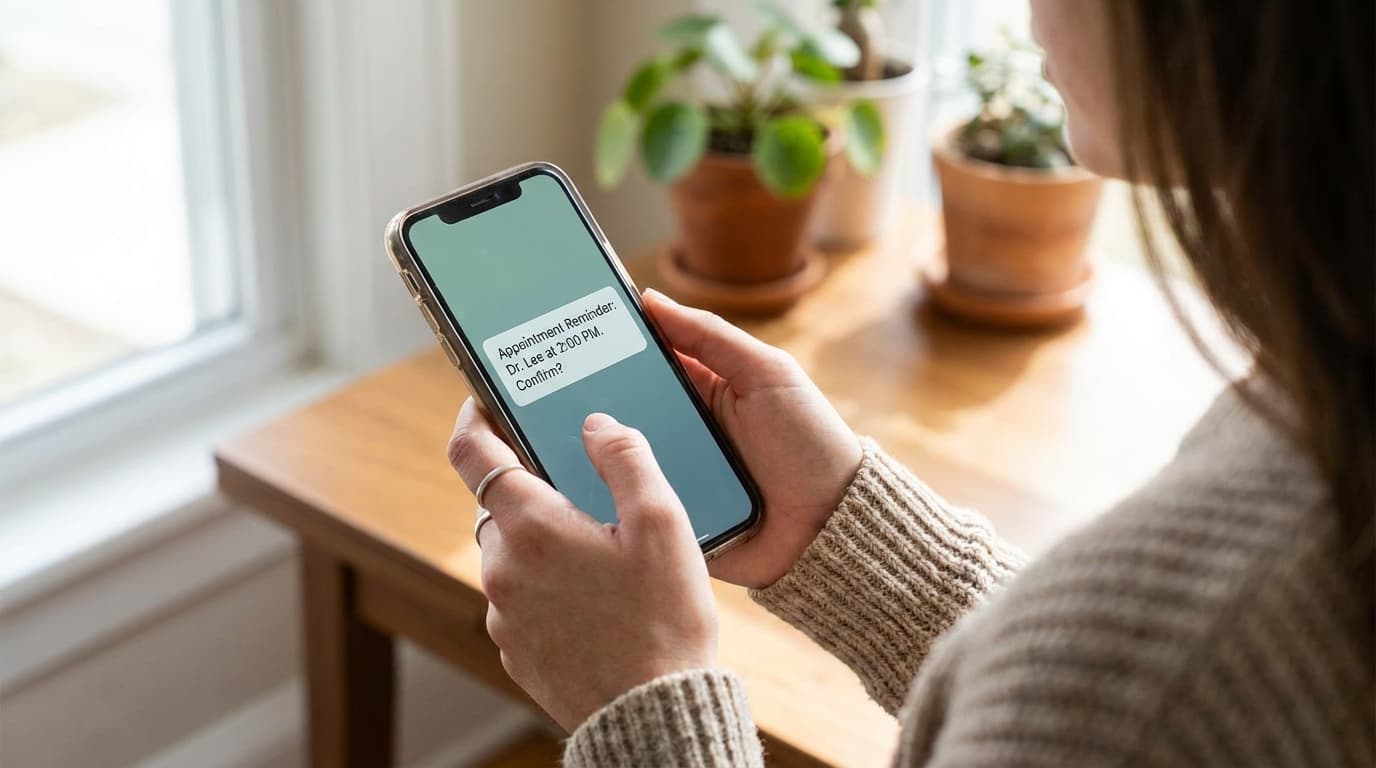
Confirm before, inform after. Every appointment should be confirmed ahead of time and, where relevant, followed by a note on next steps. Neither requires a phone call if the system handles it automatically.
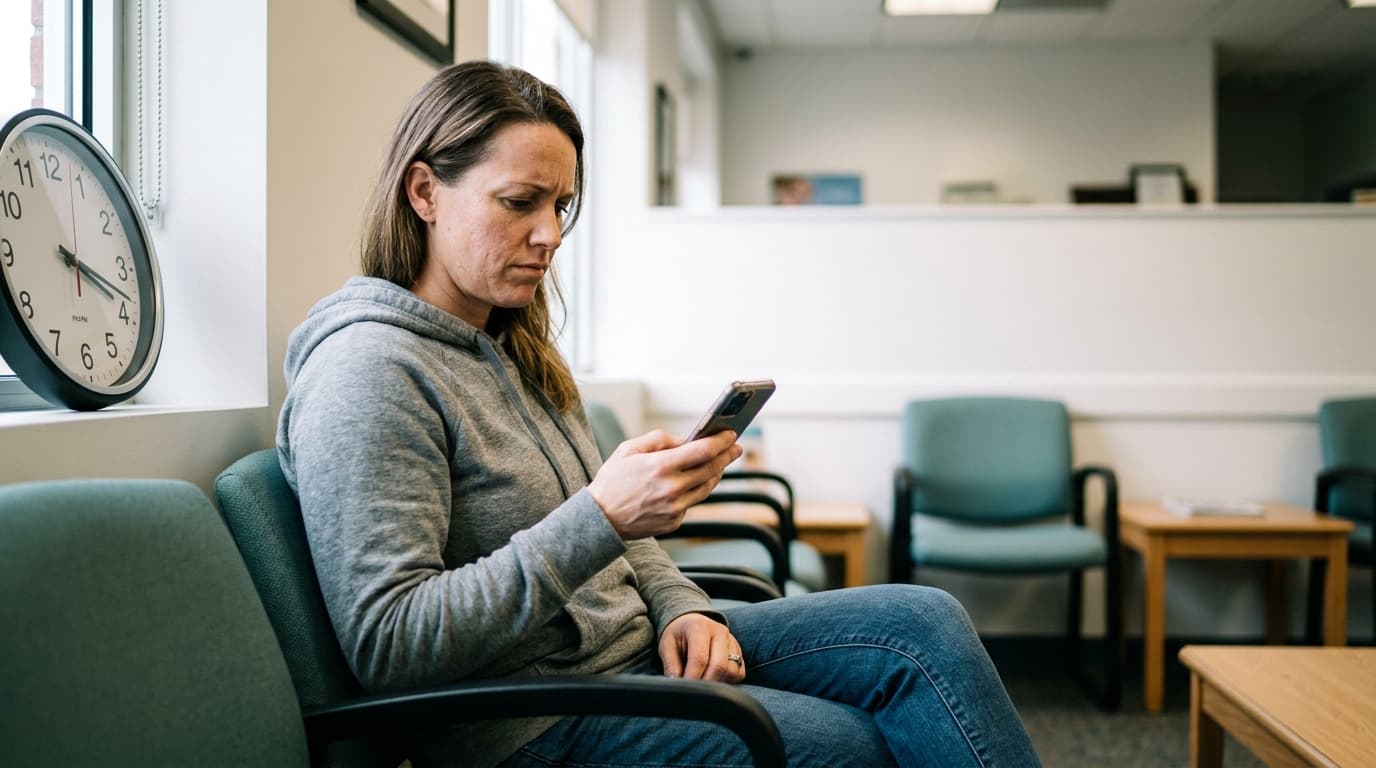
Make waiting transparent. Even an approximate wait estimate, communicated proactively, converts frustration into patience.
Close every loop you open. If a patient is told "we'll check and let you know," that check must actually happen and actually be communicated — silence after a promise is one of the fastest ways to lose trust.
Let the record talk so the patient doesn't have to repeat themselves. A returning patient whose allergies, history, and last visit are already on screen experiences continuity without having to manage it themselves.
Why systems, not willpower, sustain this
Individual staff members can be warm and communicative on a good day. What patients experience over months, though, is the sum of many days — including the understaffed ones, the fully booked ones, the ones where three things went wrong before lunch. Trust-building communication that depends entirely on staff discipline in the moment will always degrade under pressure.
The clinics that sustain trust build the communication into the workflow itself: reminders and confirmations that fire automatically, follow-ups that are tracked rather than remembered, and records that travel with the patient so nothing has to be re-explained. The staff still provide the warmth — the system just makes sure the warmth isn't the only thing standing between a patient and a dropped ball.
Where Clinikly fits
Clinikly handles the structural half of trust-building automatically: confirmations, reminders, and follow-up notifications go out without staff having to remember, and every patient's history is one look away for whoever is seeing them. That frees your team to spend their attention on the part only a human can do — the conversation itself.
Patients rarely remember the specifics of their treatment. They remember, quite precisely, whether the clinic made them feel looked after. That memory is built one well-timed message and one kept promise at a time.
Ready to modernize your practice?
Clinikly brings appointments, patient records, reminders, and your clinic pharmacy into one clean workflow.
Get Started Free