Patient Follow-Up Systems That Actually Improve Outcomes
Most missed follow-ups aren't refusals — they're forgotten. Here's how to build a follow-up system that catches patients before they fall through the cracks.

Ask any doctor which patients worry them most, and it's rarely the ones sitting in the exam room. It's the ones who should have come back and didn't — the diabetic patient overdue for a check, the post-op patient who never confirmed the wound healed, the hypertension patient whose last reading was concerning three months ago and hasn't been seen since.
Follow-up is where good clinical intentions go to die, not from patient indifference but from the absence of a system that remembers on their behalf.
Why follow-ups fall through
Follow-up failure has a predictable anatomy:
- The instruction lives only in the doctor's memory or a paper note. "Come back in three months" is said, occasionally written on a card, and rarely tracked anywhere that later generates action.
- Nobody owns the tracking. It's not the doctor's job to chase (they're seeing the next patient) and it's not clearly the assistant's job either, unless that's been explicitly assigned and tooled.
- The patient's memory is doing the clinic's job. Three months is a long time; life intervenes, and a follow-up that depends entirely on patient recall will be missed by a predictable fraction of patients every time.
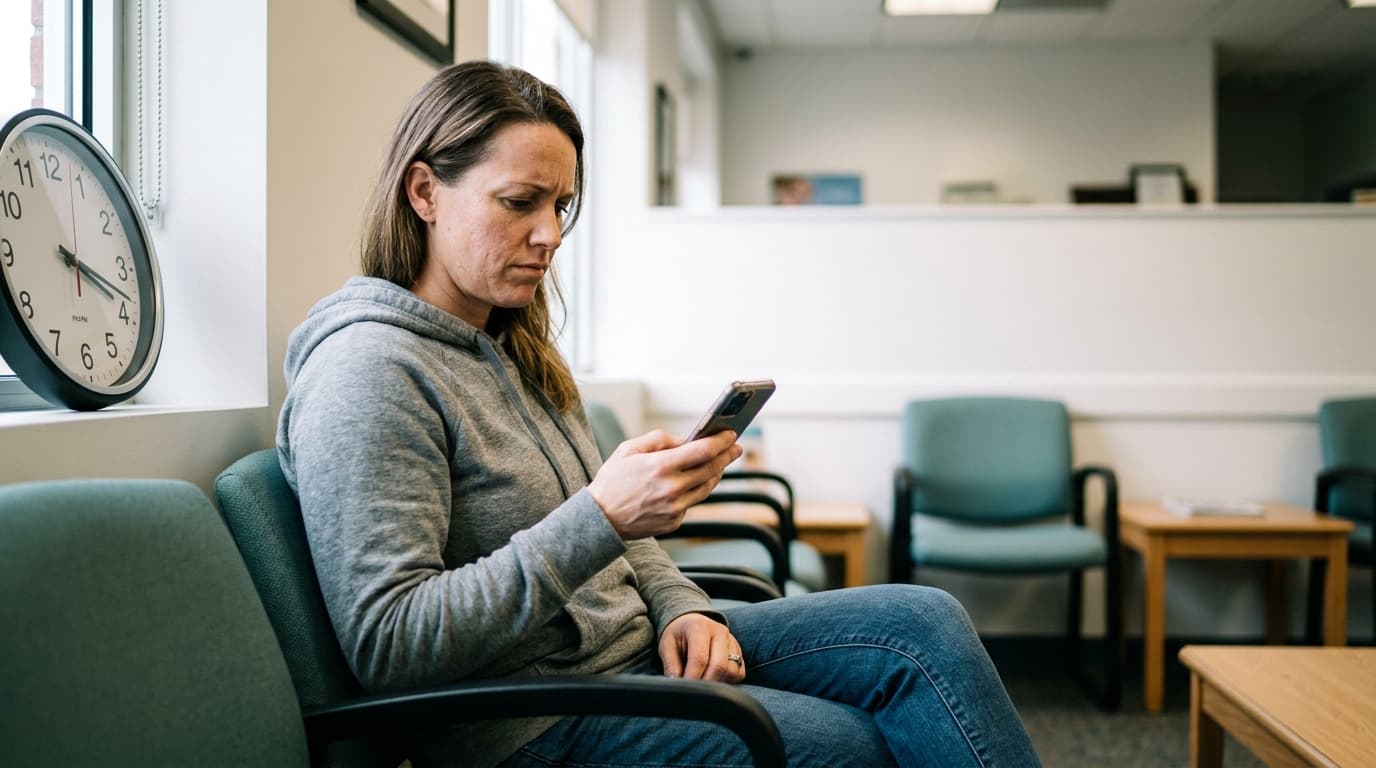
The pattern across all three: follow-up fails silently. Nobody finds out a patient didn't return until, sometimes, it's a genuine problem.
What a real follow-up system requires
Fixing this needs three components, all mundane and all necessary:
- The instruction must be recorded as data, not prose. "Follow up in 3 months for BP recheck" needs to become a dated task attached to that patient — something a system can act on later, not a sentence buried in a note.
- Someone or something must be checking the calendar. Either a staff member reviews upcoming and overdue follow-ups on a schedule, or a system flags them automatically. Manual review works at low volume; automation is the only version that scales.
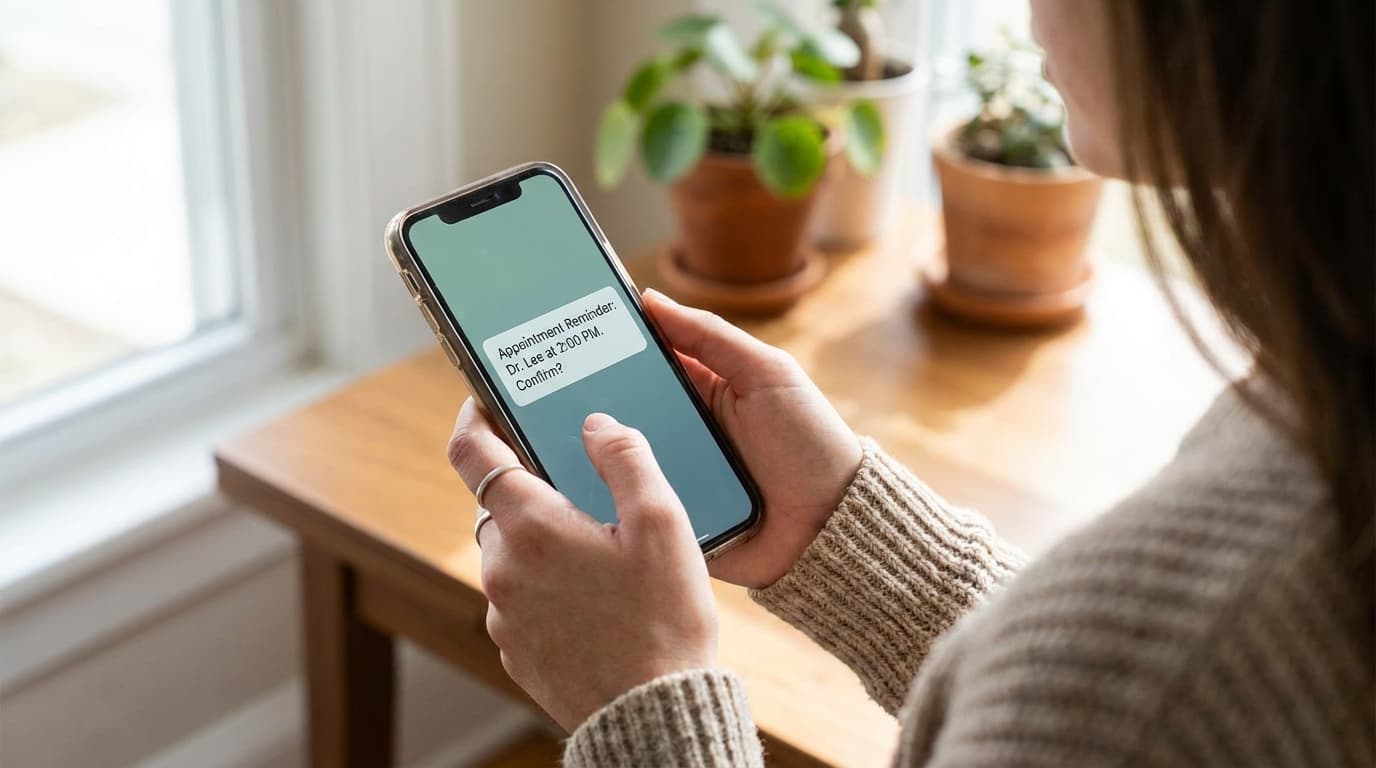
- The patient must be reachable at the right moment. A reminder that goes out as the follow-up date approaches — not a phone call made only after someone notices the patient never rebooked.
Prioritize by risk, not just by date
Not every follow-up carries equal weight. A structured system should let you flag some as higher-priority — chronic disease monitoring, post-procedure checks, abnormal results requiring recheck — so that if capacity is tight, staff attention goes to the follow-ups where a miss actually matters clinically, not just chronologically.
The follow-up loop, end to end
A working version looks like this: the doctor notes the follow-up need during the visit, tagged with a target date and reason. The system schedules a reminder to the patient as that date nears. If the patient books, the loop closes normally. If the date passes with no booking, the case surfaces on a staff worklist — an actual list, not a hope — so someone can make one outreach call before the case goes fully cold.
Notice what makes this different from good intentions: every step has an owner and a deadline, not just the last one.
Special cases worth building explicit rules for
- Abnormal results. Any test result requiring follow-up should generate a task the moment it's recorded — waiting for the patient's next unrelated visit is not a system, it's luck.
- Post-procedure checks. These have a known, short window; automate the reminder tightly around it rather than relying on a general recall.
- Chronic disease management. Diabetes, hypertension, and similar conditions benefit from a recurring follow-up cadence set once and then simply maintained by the system, visit after visit.
Measuring whether it's working
A follow-up system is only as good as its completion rate. Track, monthly: the percentage of scheduled follow-ups that were actually completed, and the average delay between a missed follow-up date and eventual re-engagement. If completion is low or delay is long, the gap is usually in step 2 or 3 above — nobody's checking, or the reminder isn't reaching the patient.
Where Clinikly fits
Clinikly lets a follow-up be scheduled directly from a consultation, with automatic patient reminders as the date approaches and a visible worklist for staff when a follow-up is overdue. The instruction becomes a tracked task the moment it's given — not a sentence that has to survive in someone's memory for three months.
Good clinical judgment already knows who needs to come back. A follow-up system's only job is to make sure that judgment doesn't get lost between visits.
Ready to modernize your practice?
Clinikly brings appointments, patient records, reminders, and your clinic pharmacy into one clean workflow.
Get Started Free