How to Prevent Stock-Outs and Overstocking in Your Clinic Pharmacy
Stock-outs send patients to competitors; overstocking ties up cash and expires on shelves. Learn how to set reorder points, safety stock, and order quantities that balance both.

Clinic pharmacy inventory fails in two opposite directions. Run too lean and a patient walks out with a prescription you couldn't fill — probably to the pharmacy down the road, possibly for good. Run too fat and your cash sits on shelves in boxes that creep toward their expiry dates. Most clinics oscillate between both, over-ordering whatever ran out last month.
Getting this right isn't guesswork; it's three numbers per product and the discipline to maintain them.
Why both failure modes are expensive
A stock-out costs more than one sale. The patient who couldn't fill a prescription at your counter has now discovered the pharmacy next door. For a clinic pharmacy, whose core advantage is convenience, reliability is the product. Beyond revenue, stock-outs of clinically important items can interrupt treatment.
Overstock is a slow leak. Every extra month of supply on the shelf is cash you can't use elsewhere, storage you pay for, and expiry risk you've accepted. Medicines are among the worst products to overstock because unsold inventory doesn't just sit — it dies on a printed date.
The three numbers that fix it
For each product, you need:
1. Reorder point — when to order
The stock level that triggers a purchase. The formula:
Reorder point = average daily usage × supplier lead time + safety stock
If you dispense 10 packs of a medicine a day and your supplier delivers in 4 days, you burn 40 packs while waiting. Add safety stock (below) and order when you hit that total, not when the shelf looks empty.
2. Safety stock — the shock absorber
Safety stock covers the two things that vary: demand (a bad flu week) and lead time (a supplier delay). A pragmatic small-clinic rule: hold 25–50% of lead-time usage for stable products, more for critical items you must never run out of, less for expensive slow movers. In the example above, safety stock of 15 packs puts your reorder point at 55.
3. Order quantity — how much to buy
Order enough to last a sensible cycle — commonly two to four weeks of usage for fast movers — but respect two ceilings:
- The expiry ceiling: never order more than you will confidently dispense before a typical batch expires.
- The cash ceiling: bulk discounts are only savings if the stock sells. A 10% discount on stock that's 20% likely to expire is a loss dressed as a deal.
Classify before you optimize
You don't need this rigor for every item. Use a simple ABC split:
- A items — the ~20% of products driving ~80% of dispensing volume. Set proper reorder points, review monthly, never stock out.
- B items — moderate movers. Reasonable defaults, quarterly review.
- C items — slow movers. Order small, on demand where possible, and resist stocking "just in case."
Most overstock hides in C items bought in A-item quantities.
Watch the calendar, not just the shelf
Usage isn't flat. Respiratory medicines spike in winter; rehydration salts and antidiarrheals in summer; antihistamines in pollen season. Review your reorder points quarterly against your own dispensing history — last year's same-season numbers are your best forecast. And before a seasonal ramp, raise levels ahead of demand, not after the first stock-out.
Why this needs a live system
Every number above depends on data you can only get from records that update in real time: actual daily usage per product, current stock right now, and alerts the moment a reorder point is crossed. A stock register or spreadsheet gives you last week's truth at best — which is how clinics end up ordering reactively, in a panic, at whatever price the fastest supplier quotes.
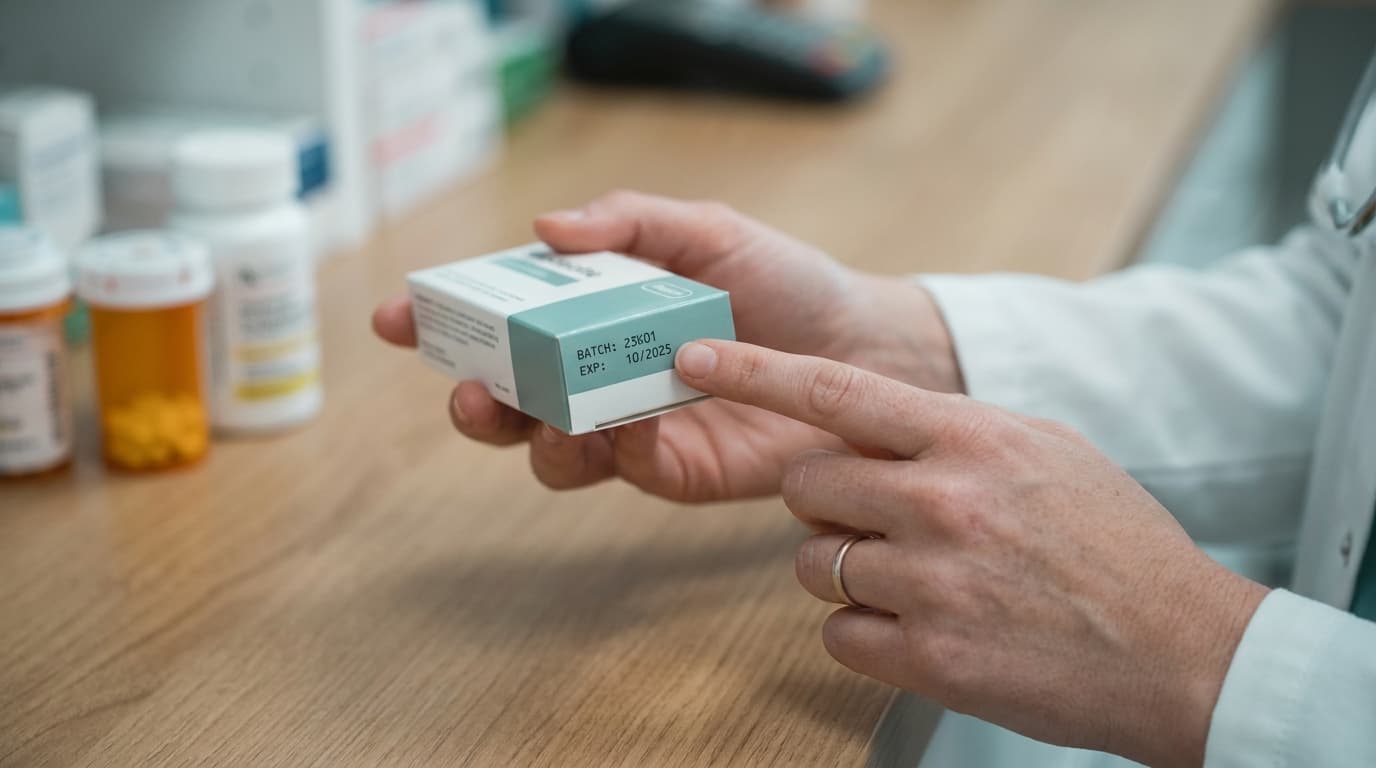
With Clinikly's pharmacy inventory, dispensing updates stock live, usage history accumulates automatically, and low-stock alerts fire when thresholds are crossed — so ordering becomes a calm weekly routine driven by numbers instead of a fire drill driven by empty shelves. Batch-level expiry tracking closes the loop on the overstock side, warning you before optimistic orders become write-offs.
The weekly rhythm that keeps it working
Once the numbers are set, sustaining balance takes about thirty minutes a week: review triggered reorder alerts, glance at upcoming expiries, place consolidated orders with your preferred suppliers, and note anything unusual (a new prescribing pattern, a supplier slipping on lead time) that should adjust a reorder point. That half hour, repeated, is the difference between a pharmacy that quietly makes money and one that quietly leaks it.
Ready to modernize your practice?
Clinikly brings appointments, patient records, reminders, and your clinic pharmacy into one clean workflow.
Get Started Free